Bacon Adhesive Bandages Make Injury Aspirational
First aid has been beige for a century. Same tan strips, same clinical vibe, same silent implication that an injury is something quiet, private and vaguely your fault. Bacon Adhesive Bandages fix all of it: sterile, functional plasters printed to look like small strips of streaky bacon, sold in a tin that belongs in medical museums. Cut your finger, apply cured meat, feel better. The healing is standard. The morale is not. Twenty-five strips per tin, which sounds like plenty until the office finds out, and the office always finds out.
Clinical Performance
These are real bandages. They stick, they cushion, they survive handwashing about as well as the name brands, and the tin keeps them from dissolving into lint at the bottom of a bag. The print holds up too: proper marbling, a fat cap, the works. From conversational distance your bandaged thumb reads as a genuine rasher, which turns every papercut into an icebreaker and every icebreaker into a person asking to see your thumb.
The Pediatric Miracle
Parents discovered the real superpower early. A scraped knee that would headline the evening news becomes, with bacon applied, a trophy. Children have reportedly requested injuries. One reviewer describes her son inventing a limp to justify a second rasher, and we’d investigate further but honestly the kid had a point. The placebo effect is real medicine and it works better fried.
The Tin Ecosystem
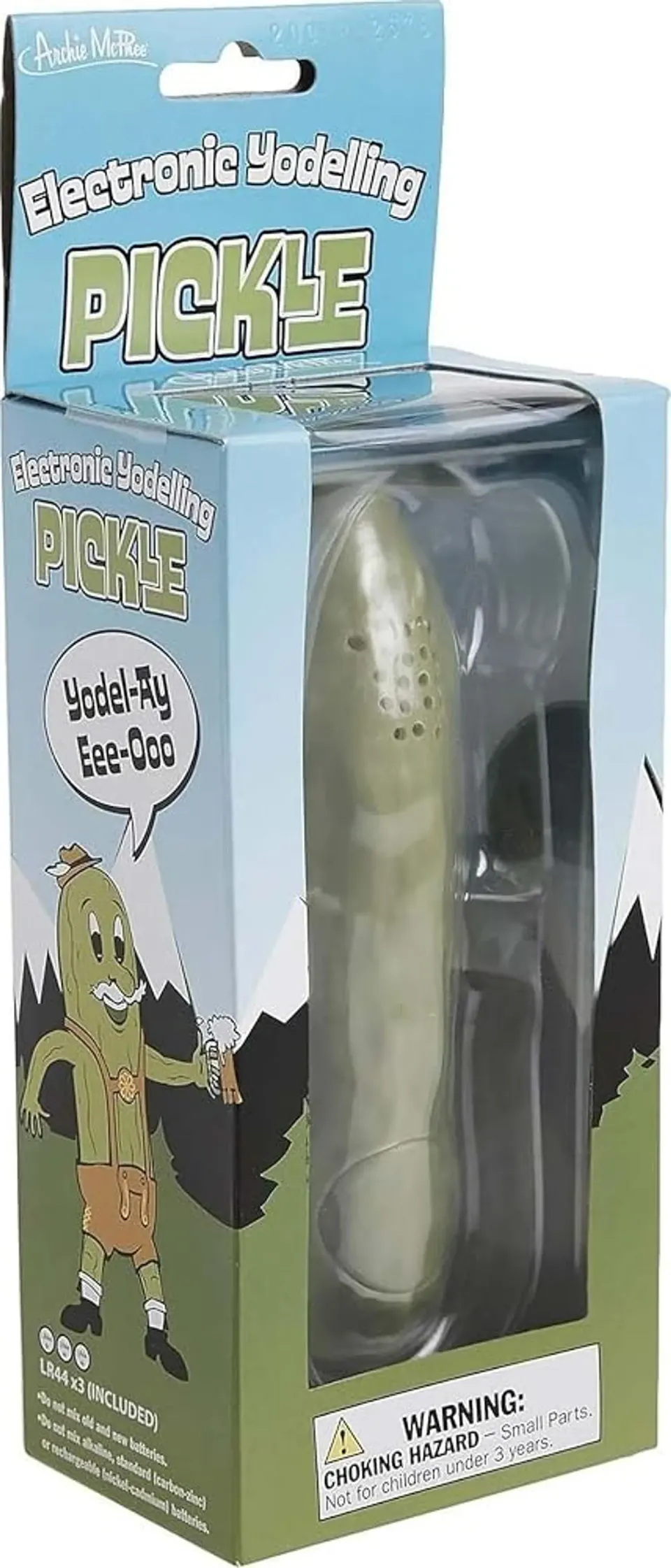
The bacon tin is the flagship of an entire deranged product line: pickle bandages, dill-scented, for the brave. Cat bandages. Toast bandages. A tiny plastic toy hides in some tins like a prize in cereal, because the manufacturer understands exactly what business they’re in, and it was never really the wound-care business. Collect the tins. People do. We’ve seen the shelves.
A Short History of Fun Wound Care
Novelty bandages have a longer pedigree than you’d guess. Character plasters for children go back generations, but the bacon strip marks the moment the industry admitted adults wanted in. Archie McPhee shipped the original in the 2000s and the design hasn’t needed a revision since, because bacon, unlike superheroes, never cycles out of fashion. The line grew from there according to no strategy any business school would endorse: pickles, because pickles were having a decade, cats, because internet, and toast, because someone in Seattle looked at a beige bandage and saw the beige differently. Museums of design have exhibited the tins. Emergency room nurses report seeing them in the wild and rate the bacon “the only bandage patients are sad to remove.” Somewhere along the way a joke product quietly became the highest-morale item in the first aid aisle, and the beige incumbents have never once responded. Their loss. Our thumbs.
Should You Buy It?
About eight dollars for a tin that upgrades minor injuries into minor events. The listing is below. Stock the office first aid kit with these and watch workplace safety compliance mysteriously improve, one performative papercut at a time. There are twenty-five in a tin, the adhesive is ordinary medical grade, and from more than a metre away they read as an actual rasher stuck to your thumb.
Your browsing was never going to stop here and we both know it.