
The Worst Tech Products Ever Made: A Field Guide
By Milo Marsh ·
Bad technology is easy to make and boring to discuss. The products worth studying are the ones where enormous competence was applied, at great expense, by clever people, in a direction nobody had checked. Every entry here shipped. Every one had a supply chain and a launch event. Several were beautifully built. Let’s kick things off with the machine that lost an argument to hands.
Juicero (2016)
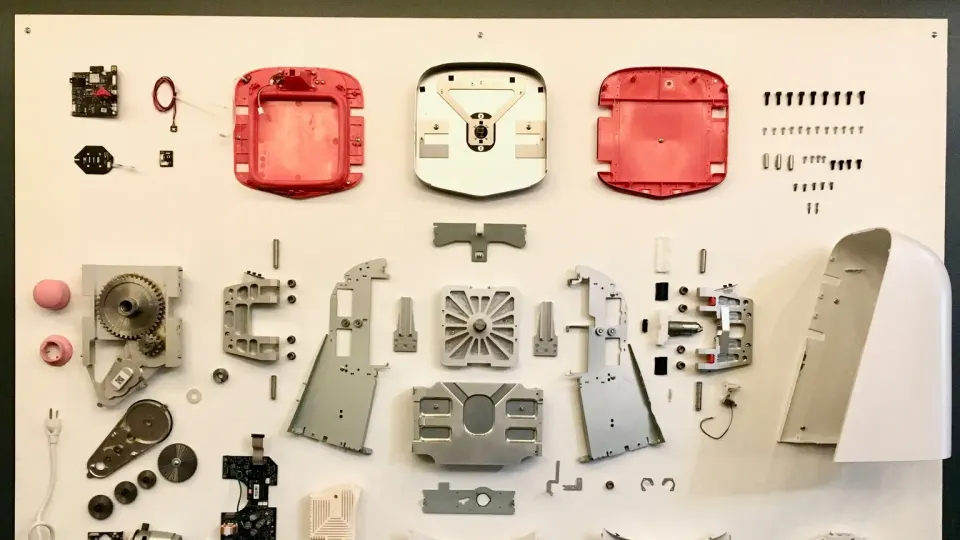
A $699 aluminium press, later $399, that squeezed a pouch of chopped vegetables after checking the pouch’s QR code over wifi. Bloomberg established in April 2017 that hands did the same job, producing 7.5 ounces in ninety seconds against the machine’s 8 ounces in two minutes. The machine won by half an ounce and lost the company. Fewer than 5 percent of owners accepted the refund. Our full review is here.
Google Glass (2013)

Fifteen hundred dollars for a camera above your right eye, launched with skydivers landing on a conference roof. Its lasting contribution was the word Glasshole, first printed in TechCrunch in January 2013 and adopted by Google itself in its official etiquette guide the following February. The same guide asks users not to read War and Peace on it, and not to wear it while cage fighting. Full review here.
Nokia N-Gage (2003)
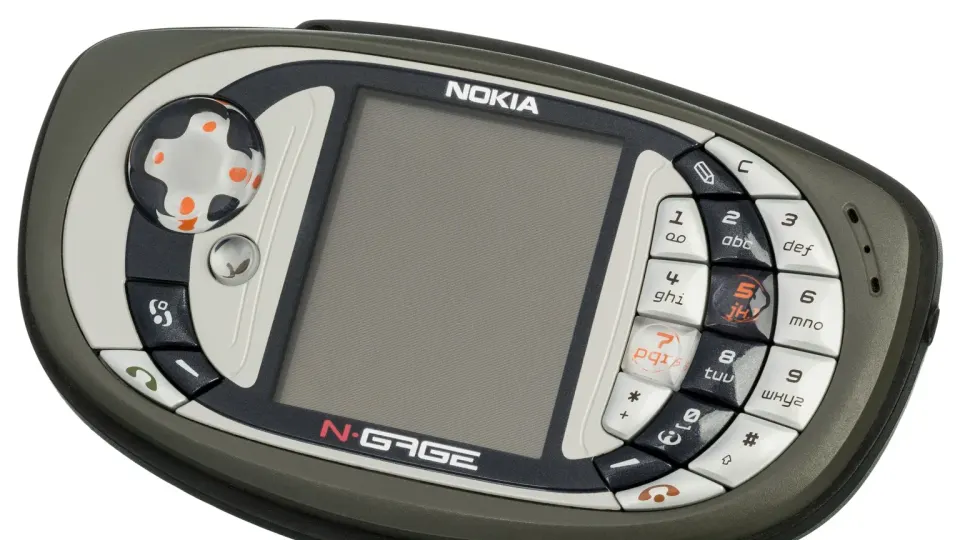
A phone and games console in one taco-shaped shell, with a portrait screen, a cartridge slot underneath the removable battery, and an earpiece on the top edge that required you to hold it flat against your cheek. Nokia called that posture sidetalking, in its own materials, on purpose. It targeted six million sales and managed roughly a third. Full review here.
Samsung Galaxy Note 7 (2016)
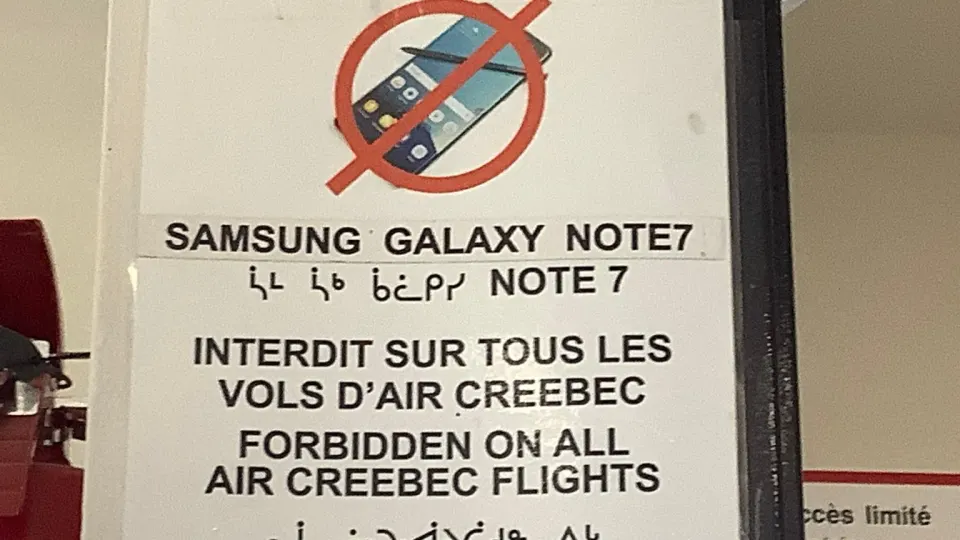
An outstanding phone recalled twice in six weeks for two entirely unrelated battery defects from two different suppliers, then banned outright from American aircraft by emergency federal order, with penalties running to ten years’ imprisonment. For a while, airline staff named it over the PA at the gate. Full review here.
Apple Newton MessagePad (1993)
John Sculley coined the phrase personal digital assistant at CES in January 1992, and Apple shipped the Newton on 2 August 1993 at $699. Its handwriting recognition became a punchline through Garry Trudeau, who ran a Doonesbury sequence that August in which the device renders the phrase “Catching on?” as “Egg Freckles”. The Simpsons landed the second blow in November 1994, when a bully dictates “Beat up Martin” and the screen reads “Eat up Martha”. Apple engineers later hid egg freckles in the operating system as an Easter egg, which is the healthiest possible response. Steve Jobs killed it in February 1998.
Microsoft Zune (2006)
Launched at $249.99, undercutting the 30GB iPod by exactly one cent. Its signature feature let you beam a song to another Zune over wifi, where it would play three times or last three days before expiring, whichever came first. This restriction applied even to songs you had recorded yourself. Steve Ballmer, not the marketing department, supplied the verb: he wanted to squirt you a picture of his kids, and have you squirt back a video of your vacation. It held 2 percent of the US market a fortnight after launch. On 31 December 2008 every 30GB Zune froze simultaneously worldwide on a leap-year bug, and Microsoft’s official remedy was to wait until the next day.
Sinclair C5 (1985)
A one-person electric tricycle launched at Alexandra Palace in January 1985 for £399, a figure that held under £400 because mirrors, indicators and the high-visibility mast were all sold separately. It was built by Hoover at a Welsh plant tooled for 100,000 units a year, with a chassis engineered by Lotus. Roughly twelve to fourteen thousand were assembled and about five thousand sold before production stopped that August. The AA measured its real range at about ten miles against an advertised twenty. Sinclair Vehicles went into receivership in October.
One correction, because the internet has this backwards: the Royal Society for the Prevention of Accidents did not attack the C5. Sinclair paid RoSPA to write the safe-driving booklet, and its road safety chief said they were satisfied it was not inherently unsafe. The damning quotes came from the British Safety Council, whose chairman James Tye said he was shattered that within a few days fourteen-year-old children would be allowed to drive this Doodle Bug on the road without a licence.
What They Have in Common
Not incompetence. Juicero’s gearbox was superb, the Note 7 was the best phone of its year, and the C5 had a Lotus chassis. Every one of these failed at the stage before engineering, in the room where somebody should have asked what problem this solves and whether anyone has that problem. Glass answered a question about interface design. The N-Gage answered a question about product categories. Juicero answered a question about supply chain telemetry. None of them answered a question anyone had asked out loud.
Our advice, unchanged since 2015: when a product’s pitch explains why the alternative you already own is embarrassing, keep the alternative. It is almost certainly a hand.
About the author
Milo Marsh
Hunting down the internet's most bizarre, stupefying, amazing and cool things for Moochly.